Witches Were Just Women Who Refused to Stay Small
(And we’re still punishing them for it.)
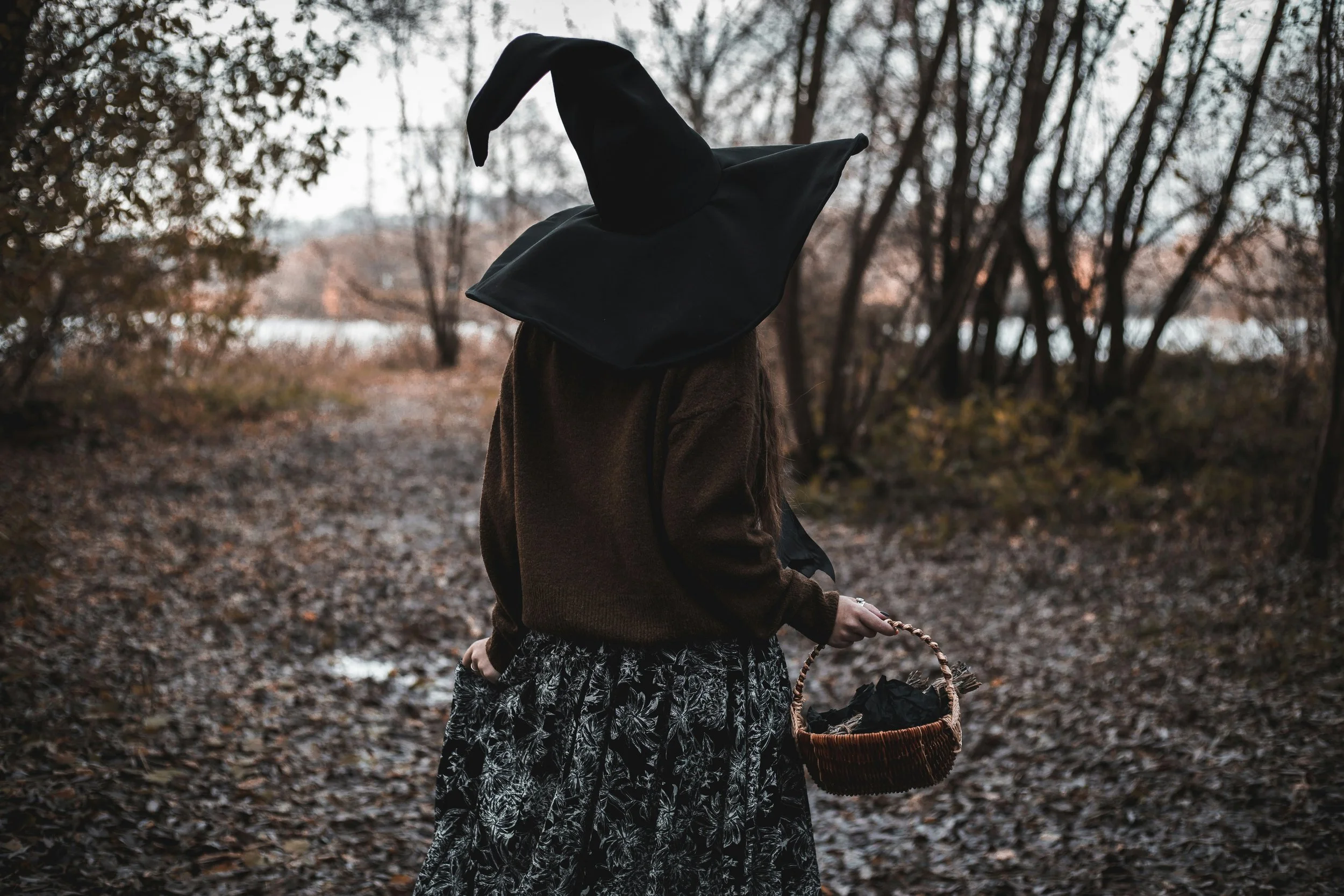
Photo by Ksenia Yakovleva on Unsplash
Sorry to say it, but we’ve been turning on each other for centuries.
The witch hunts may have ended, but the mindset that fuelled them: fear, scarcity, judgment is still alive and well. It just shows up differently now.
We don’t burn women at the stake anymore; we just roast them in comment sections, whisper about them in WhatsApp groups, or roll our eyes when they take up too much space online.
What a “Witch” Really Was
Back in the 15th and 16th centuries, women who didn’t conform were branded witches.
The ones who refused to marry, didn’t want children or - god forbid - enjoyed sex. The healers. The midwives. The women who knew things men didn’t. How utterly terrifying!!!
And because all of this threatened the patriarchy, the easiest way to control it was through fear.
And guess what? If you could make women fear each other, they’d police themselves.
Sadly, it worked brilliantly.
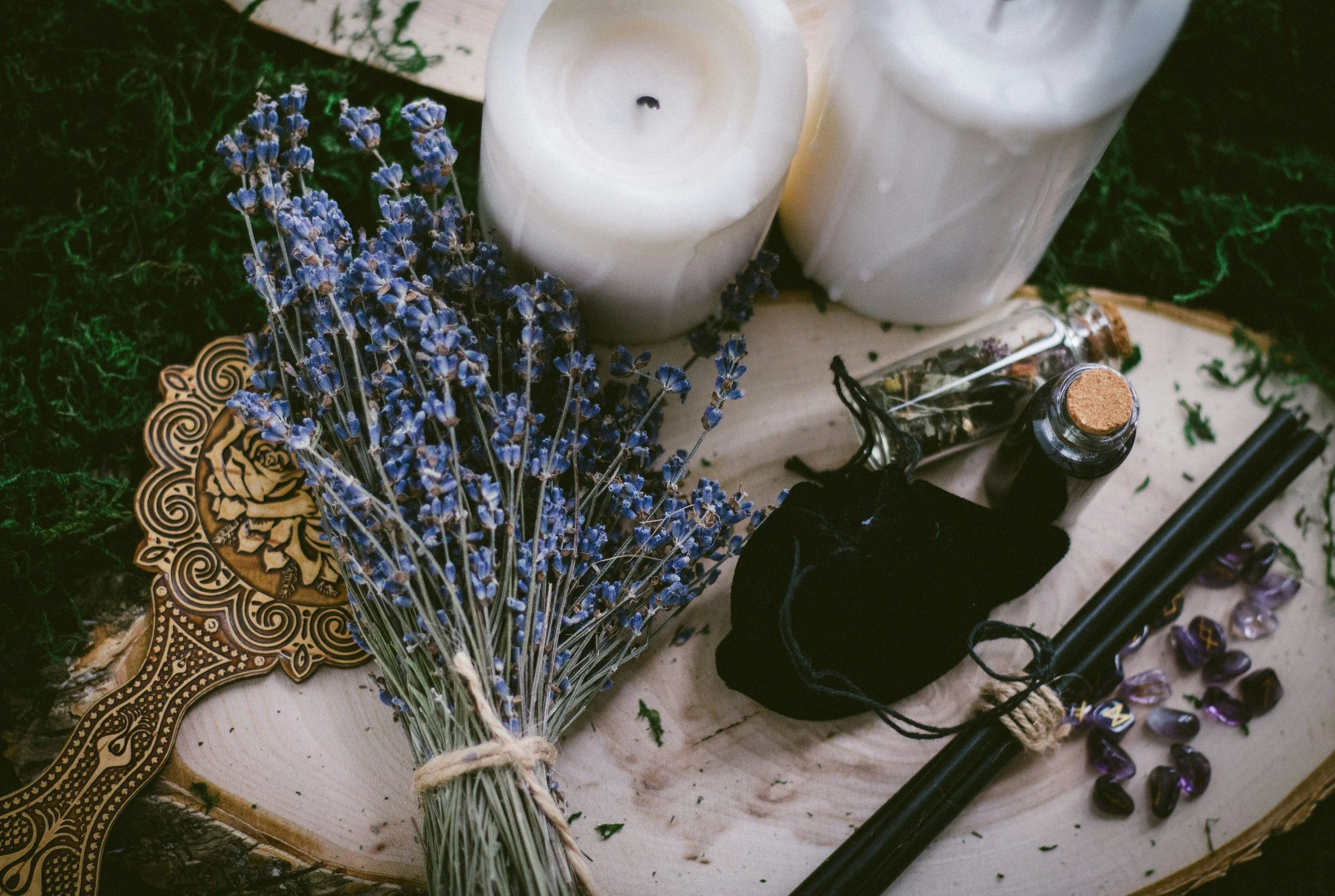
Photo by Ksenia Yakovleva on Unsplash
Fear: The Original PR Strategy
The witch hunts were never really about witches. They were about control.
If you were poor, you could blame the neighbour.
If you were jealous, you could eliminate the competition.
If you were angry, you could accuse the midwife.
And if you were powerful, you could keep your hands clean while everyone else tore each other apart.
The real genius of that system was this: women learned to survive by turning against one another. Better her than me.
Sound remotely familiar?
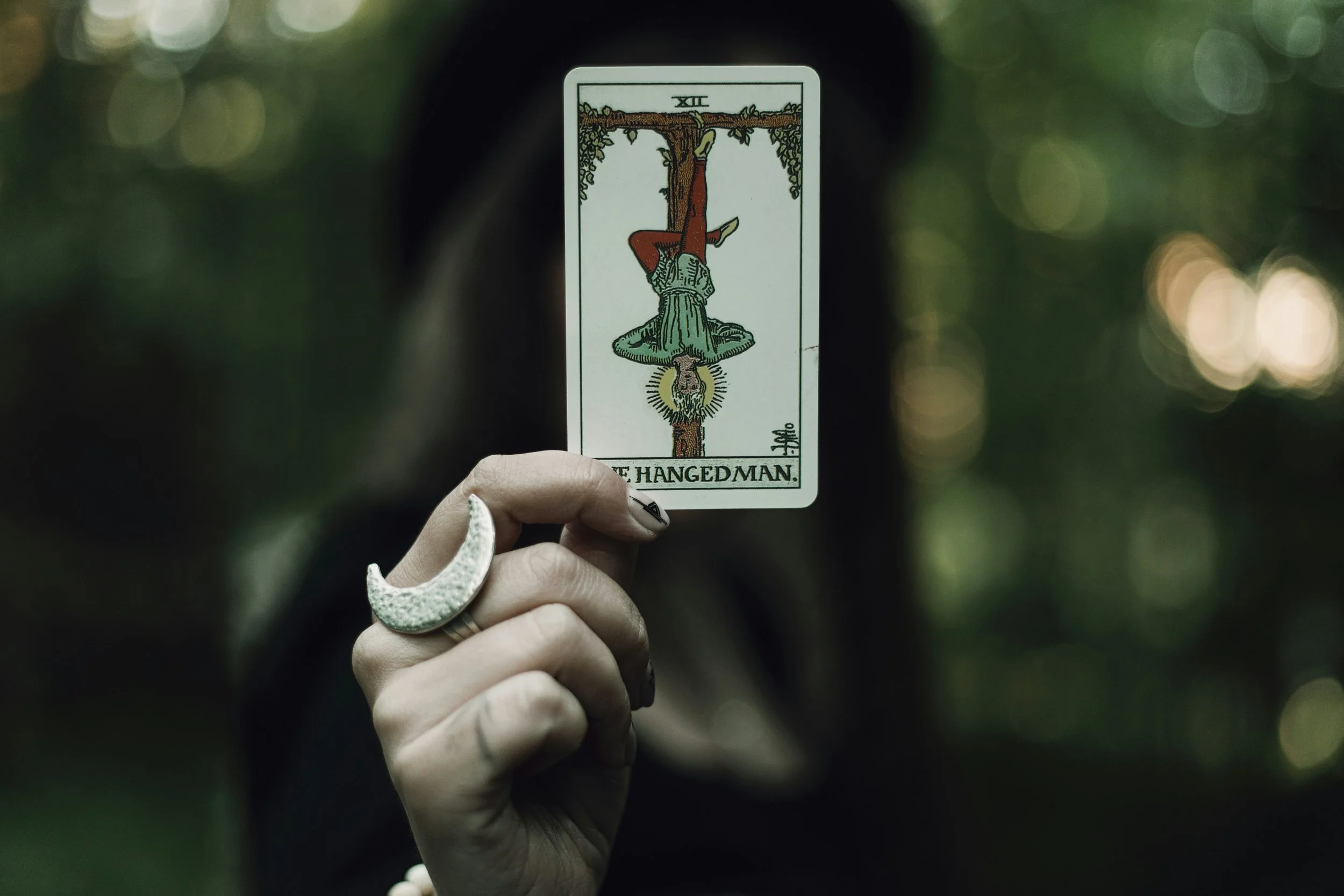
Photo by Ksenia Yakovleva on Unsplash
What a Coven Really Was
Let’s reclaim that word for a second.
A coven wasn’t a dark conspiracy; it was a circle of women who looked after each other. They shared knowledge. Herbs. Protection. Power.
It was safety through solidarity. Community as resistance.
The modern version of that should be thriving — and in some places, it is.
But too often, our “communities” are built on comparison, not connection.
We call them support groups, but they turn into silent competitions.
The Irony of “Female Empowerment” Culture
(We said we wanted sisterhood, but sometimes, we’re still burning each other at the stake!)

Photo by Becca Tapert on Unsplash
Fast forward to today, and we have “girl gangs,” “female founder collectives,” and “boss babe” energy everywhere. We talk about sisterhood. Empowerment. Collaboration over competition.
We built movements that looked like freedom, but sometimes still feel like performance. We’ve traded the quiet, radical act of women protecting each other…for pastel empowerment quotes & affirmations on Instagram!
Scratch the surface – and the fear still simmers underneath. And it’s not even our fault; we have been conditioned this way…
We side-eye the woman who raises her rates.
We might judge the mum who works “too much.” Or even “not enough!”
We pick apart the influencer who’s “trying too hard.”
We might whisper about the woman who’s too sexy, too loud, too successful, too confident.
We’ve internalised the witch hunt!
We’re still afraid of women who refuse to stay small.
We talk about lifting each other up, yet the moment another woman takes up space, something inside us flinches.
How did empowerment become another box to tick — a hashtag, another brand to curate — instead of a rebellion to live by?
This isn’t about tearing down modern feminism. It’s about asking an uncomfortable question:
Why are we still so quick to turn on each other?
Why We Still Do It
Because deep down, many of us still believe there’s only room for one.
One woman at the table.
One voice on the panel.
One leader in the room.
We’ve been trained to think of success as finite – like if she has it, I can’t.
But success doesn’t work like that.
It’s not a pie; it’s fire. You don’t lose it when you share it…it spreads.
And yet, we cling to old scripts written generations ago:
“She’s full of herself.”
“Who does she think she is?”
“I could never do that.”
You could. You just learned not to.
The Witch Wound
The witch wound is the collective trauma of being punished for your power…and the inherited fear that it could happen again.
It’s the reason so many women fear visibility, fear success, fear standing out.
Because, somewhere in our DNA, the equation still reads: visibility = danger.
And so we self-sabotage.
We keep our opinions polite, our goals reasonable, our personalities palatable.
We call it “being humble,” but it’s really a survival mechanism.
And we judge the women who don’t play by those rules because, if they’re punished for it, it reassures us we were right to stay small. Judgment gives us momentary safety.
When we judge another woman, we’re subconsciously saying, “I’m not like her; don’t come for me.”
When we gossip, criticise, or distance ourselves, we’re trying to stay safe in systems that still reward women for being agreeable, small, and non-threatening.
Judgment is actually self-protection disguised as superiority.
But it’s keeping us all trapped.
Damned If You Do, Damned If You Don’t
The cruel irony?
This dynamic hasn’t changed in hundreds of years.
Back then, you were damned if you did and damned if you didn’t.
And even if you followed all the rules – if someone didn’t like you, that was enough.
They’d drown you, and if you survived – you were a witch after all - burnt at the stake.
If you didn’t… well, congratulations, you weren’t a witch…but you were dead.
That’s the energy so many women still feel today: We just can’t win.
Because, guess what? The game was rigged from the start.
So What Do We Do?
We remember what a coven really meant.
We find our people — the ones who don’t flinch when we take up space.
We challenge ourselves to celebrate another woman’s success before we compare it to our own.
We stop judging the woman who lives differently, loves differently, or leads differently — because her freedom is proof that ours is possible too.
We stop whispering. We start cheering.
We call each other out when we slip into scarcity.
We build circles that look more like covens again!
Because the antidote to the witch wound isn’t revenge. It's reunion.
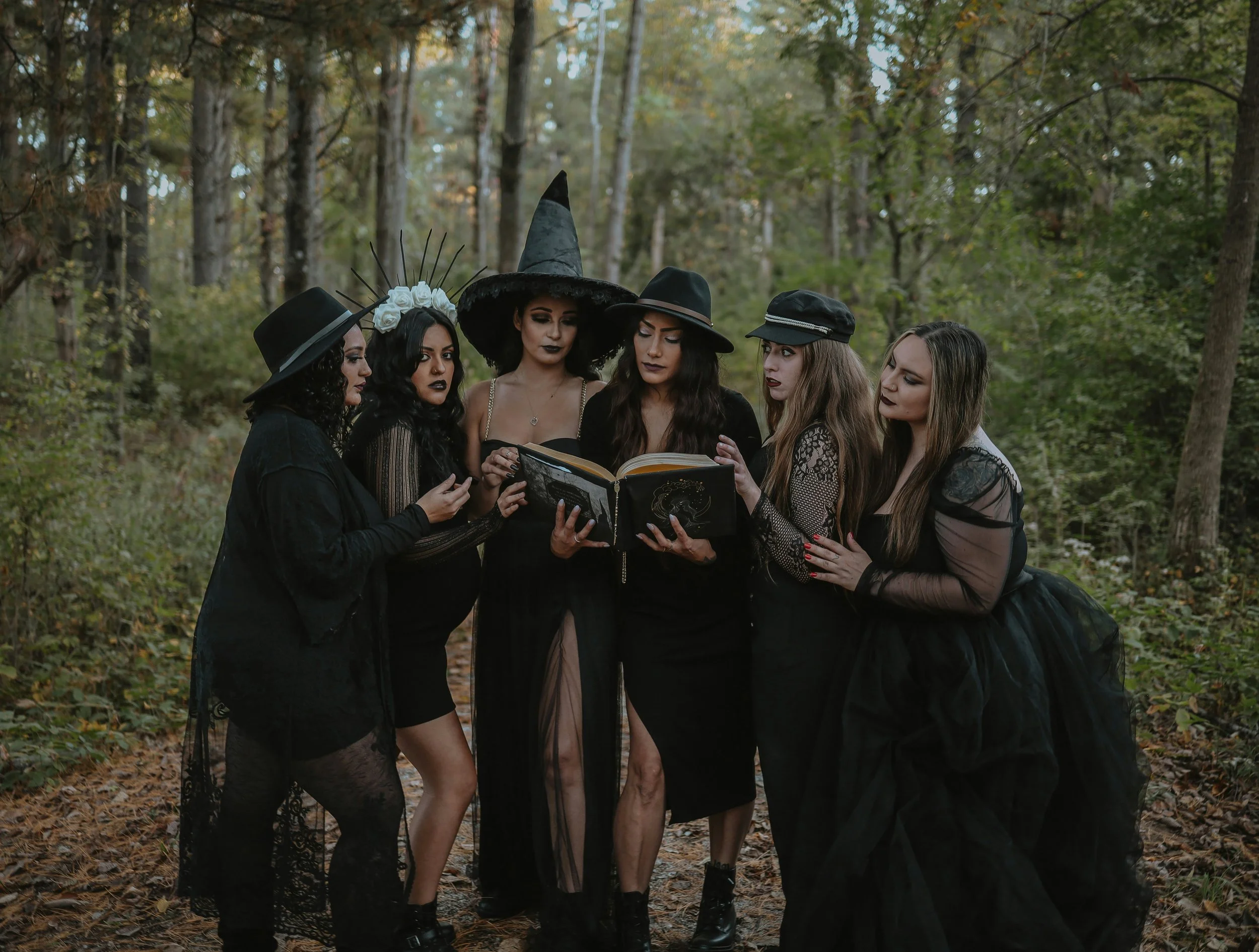
Photo by Sierra Koder on Unsplash
The Real Magic
Here’s the secret they didn’t want you to know:
The real magic was never in the spells or the herbs.
It was in the women who came together.
The ones who looked at each other and said, “You’re not crazy. You’re not wrong. You’re not alone.”
That’s what scared them, and, honestly, still does.
Because a woman in her power is formidable. But a circle of women who refuse to stay small?
That’s a revolution.
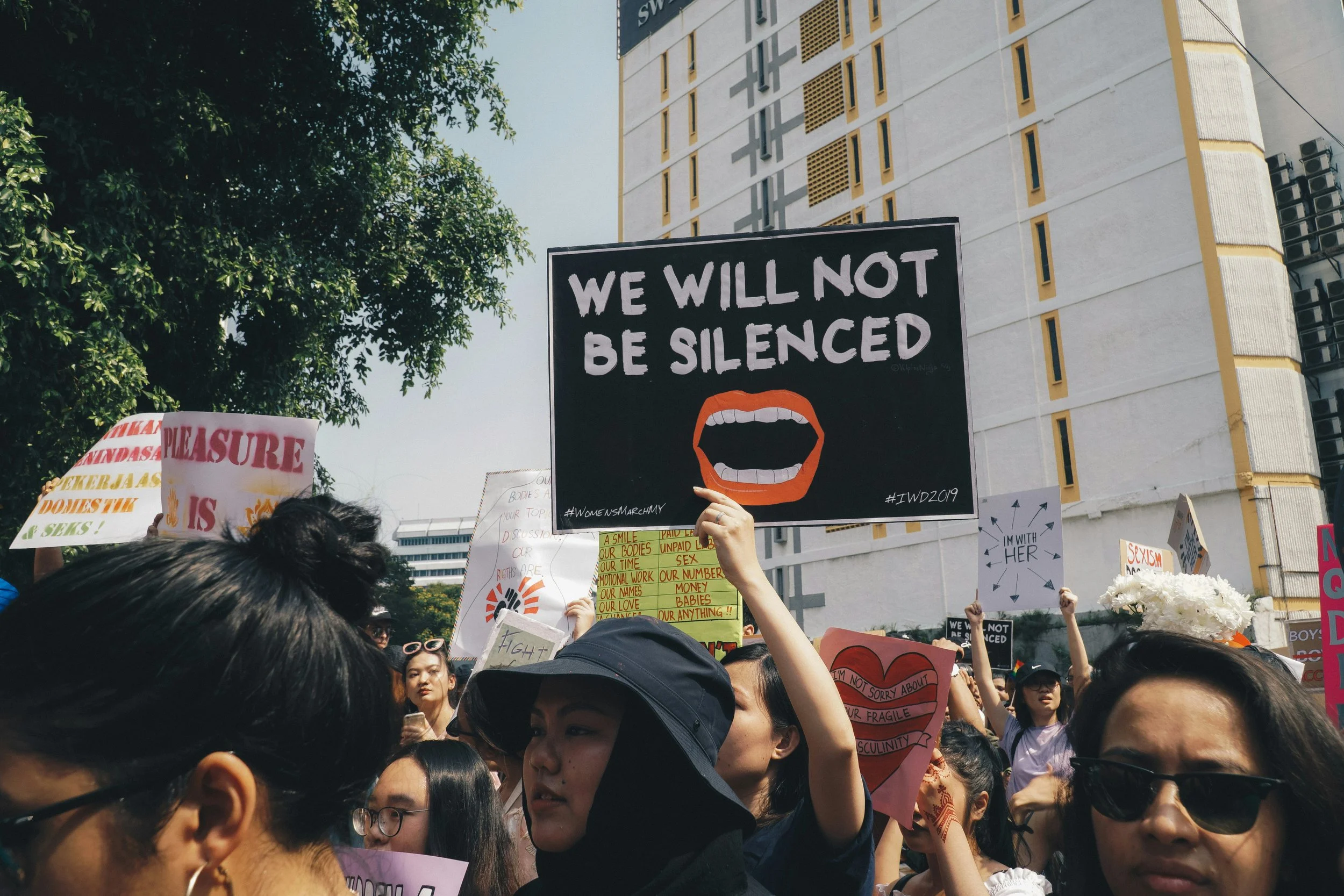
Photo by Michelle Ding on Unsplash